If you’re planning a major outdoor upgrade in St. Charles, Geneva, Batavia, Elburn, North Aurora, Wheaton, South Elgin, Bartlett, or surrounding Fox Valley communities, you may be wondering:
Should we do everything at once—or break the project into phases?
A full landscape transformation is exciting. But for many homeowners, budgeting, timing, and logistics make a phased approach more practical.
The key isn’t whether you landscape in phases.
It’s whether you plan those phases correctly.
Here’s how to make the right decision for your home—and avoid costly mistakes.
What Does Landscaping in Phases Mean?
Landscaping in phases means completing your outdoor transformation in structured steps rather than all at once.
For example:
-
Phase 1: Landscape Design & Install master plan
-
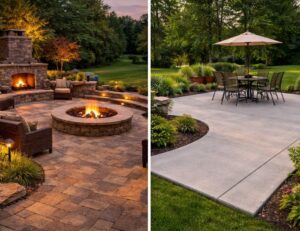
Phase 2: Paver Patio Installation
-
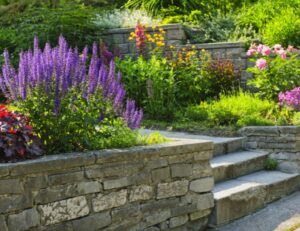
Phase 3: Retaining Walls and structural features
-
Phase 4: Landscape Lighting
-
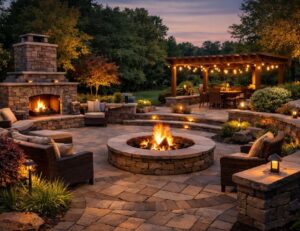
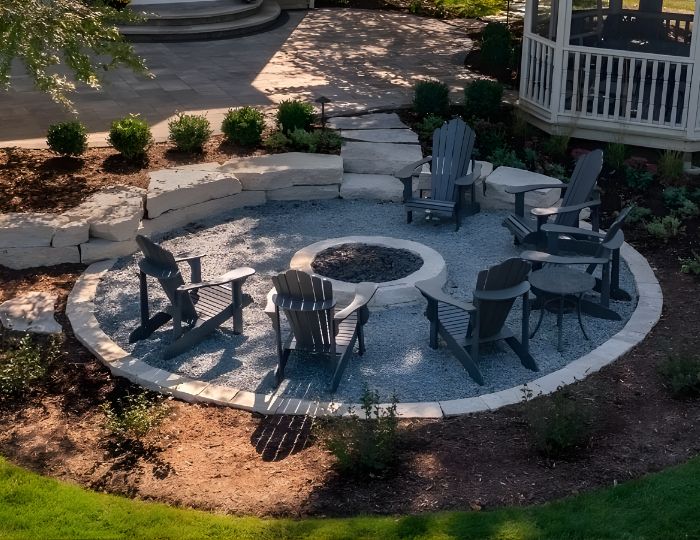
Phase 5: Fire features like Outdoor Fireplaces
When done strategically, each phase builds toward a cohesive, finished result.
When done without a master plan, phases can lead to mismatched materials, drainage problems, and higher long-term costs.
The Biggest Mistake Homeowners Make
The most common mistake in phased landscaping?
Starting without a complete design.
Even if you plan to build over 2–3 years, your property should begin with a unified master plan from a professional Landscape Design Company in St. Charles or throughout the Fox Valley area.
Why?
Because:
-
Patio elevation impacts drainage
-
Retaining wall placement affects usable space
-
Lighting wiring should be planned before hardscape installation
-
Future additions require proper base preparation
Without a long-term blueprint, Phase 3 might undo Phase 1.
When Landscaping in Phases Makes Sense
Phased landscaping is often ideal if:
1. You Want to Spread Out Investment
Outdoor transformations are significant investments. Spreading costs across seasons can make projects more manageable.
2. You’re Prioritizing Function First
Many homeowners start with essentials:
-
Patio space
-
Walkways
-
Structural grading
-
Drainage correction
Then add enhancements later.
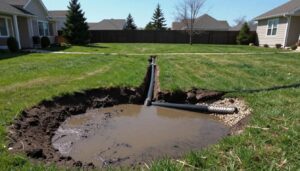
For example, properties with slope challenges may begin with structural work like retaining walls and grading before adding decorative elements. (See recent discussions around drainage solutions in St. Charles for why this matters.)
3. You Want to Test How You Use the Space
Some families install a patio first, then realize they’d benefit from expanded seating, lighting, or a fire feature later.
Phased design allows flexibility—if planned properly.
When Doing It All at Once Is Smarter
There are also strong cases for completing your project in one coordinated build.
A full design-build approach through an experienced Hardscape Landscaper in St. Charles or nearby communities may be better if:
-
Heavy excavation is required
-
Multiple hardscape elements connect structurally
-
Drainage solutions impact the entire yard
-
You want to minimize disruption
Mobilizing crews multiple times can increase labor costs. In some cases, completing patios, walls, and lighting together is more efficient than staging them across years.
Smart Phasing Strategy (If You Choose That Route)
If you decide to landscape in phases, here’s the strategic order that often works best in Fox Valley climates:
Phase 1: Infrastructure & Drainage
Address grading, soil stability, and structural concerns first.
Phase 2: Major Hardscaping
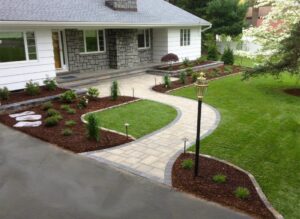
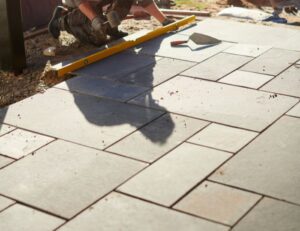
Install patios, retaining walls, and walkways through services like Paver Patio Design and structural wall systems.
Phase 3: Enhancements
Add landscape lighting, fire features, plantings, and finishing touches.
Phase 4: Ongoing Maintenance
Commercial or HOA properties may incorporate long-term care through services like Commercial Landscape Maintenance.
This sequencing prevents rework and ensures each phase supports the next.
Budgeting Considerations for Fox Valley Homes
In communities like Geneva, Batavia, Elburn, North Aurora, Wheaton, South Elgin, and Bartlett, soil conditions and freeze-thaw cycles play a role in hardscape longevity.
Cutting corners in early phases—especially base prep or drainage—can cause shifting, settling, or cracking later.
Phasing isn’t about reducing quality.
It’s about structuring investment wisely.
Reviewing the company’s Our Process helps homeowners understand how projects are staged correctly from day one.
Residential vs. Commercial Phasing
For commercial properties, phasing may be necessary to maintain access and operations.
Businesses often combine landscape upgrades with seasonal services like Commercial Snow Removal to maintain year-round functionality.
In these cases, strategic planning is critical to avoid operational disruption.
So—Should You Landscape in Phases?
Choose phased landscaping if:
-
Budget allocation is spread across seasons
-
You have a complete master plan
-
Structural elements are installed first
-
You’re comfortable with a longer timeline
Choose a full build if:
-
You want faster completion
-
Multiple systems are interconnected
-
You prefer one construction period
-
You want maximum efficiency
The most important step isn’t the timeline.
It’s starting with the right design partner.
You can explore service coverage across St. Charles, Geneva, Batavia, Elburn, North Aurora, Wheaton, South Elgin, and Bartlett through the various location pages—or speak directly with the team via the Contact Page to map out your long-term vision.
TL;DR / Key Takeaways
-
Landscaping in phases can be smart—if guided by a master plan.
-
Always design the full vision before starting Phase 1.
-
Infrastructure and drainage should come before decorative features.
-
Full build-outs may be more efficient for complex projects.
-
Proper planning prevents costly rework and material mismatch.
-
Fox Valley homeowners benefit most from strategic sequencing, not reactive installation.