When planning a backyard patio, one of the first decisions homeowners face is choosing the right material. Two of the most common options are paver patios and poured concrete patios. While both can create functional outdoor spaces, they differ significantly in durability, appearance, maintenance, and long-term value.
If you’re investing in an outdoor living area, understanding the differences between these materials can help you choose the option that best fits your property and lifestyle.
Why the Right Patio Material Matters
A patio is often the centerpiece of an outdoor living space. It supports seating areas, outdoor dining, fire features, and walkways that connect the rest of your landscape.
That’s why many homeowners start with professional paver patio design to ensure the layout fits their yard, home style, and long-term goals.
Choosing the right material isn’t just about looks—it affects durability, maintenance requirements, and overall lifespan of your patio.
What Is a Paver Patio?
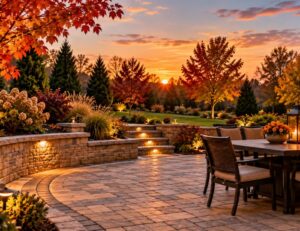
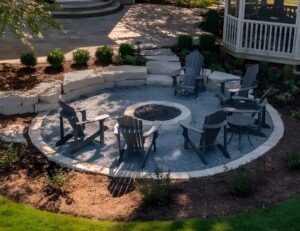
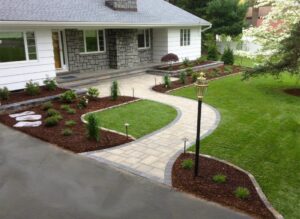
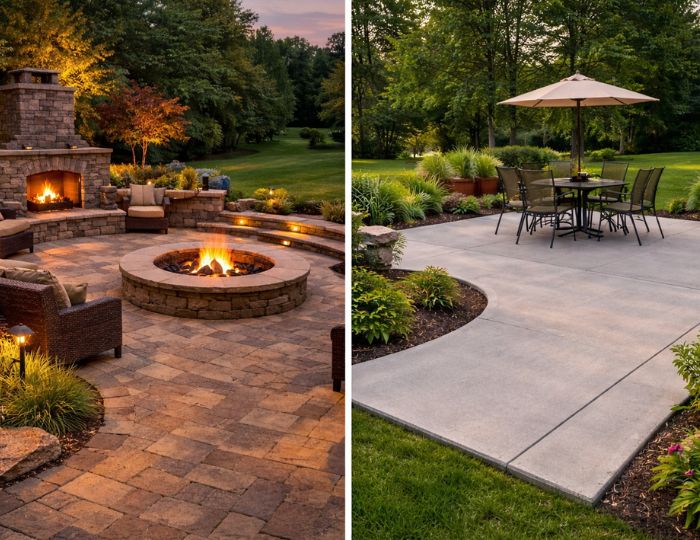
A paver patio is constructed using individual interlocking stones placed over a compacted base. These stones come in various shapes, textures, and colors, allowing for highly customized designs.
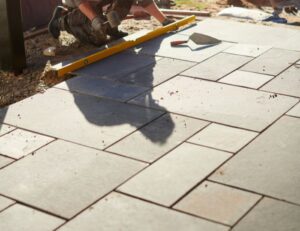
Professional paver patio installation ensures each paver is properly set on a strong foundation that can handle seasonal changes and heavy use.
Pavers are often used as part of larger hardscape projects handled by experienced teams specializing in hardscape landscaping.
Advantages of Paver Patios
-
Wide range of styles and colors
-
Highly durable and resistant to cracking
-
Easy to repair by replacing individual stones
-
Excellent drainage through joints
-
Adds strong curb appeal and property value
Because of these benefits, paver patios are one of the most popular choices for homeowners looking to build long-lasting outdoor living spaces.
What Is a Concrete Patio?
Concrete patios are created by pouring a slab of concrete and allowing it to cure into a solid surface. This method can produce a clean and simple patio design.
Concrete patios are often chosen because of their lower upfront cost. However, they typically offer fewer design options and may require additional treatments like stamping or staining to enhance their appearance.
While concrete patios can work well for basic applications, they often lack the flexibility and durability of professionally installed paver systems.
Durability and Long-Term Performance
One of the biggest differences between these two materials is how they handle weather and ground movement.
In areas like northern Illinois, seasonal freeze-thaw cycles can cause concrete slabs to crack over time. Once a slab cracks, repairs can be difficult and often require patching or full replacement.
Pavers, on the other hand, are designed to flex slightly with ground movement, reducing the likelihood of major damage.
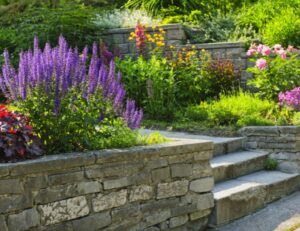
When installed correctly by experienced professionals who specialize in retaining walls and hardscape installation, paver patios can maintain their structural integrity for decades.
Maintenance and Repairs
Maintenance is another important factor to consider.
Concrete patios may eventually develop cracks, stains, or surface wear. Repairs can be noticeable and sometimes require replacing large sections of the slab.
Paver patios are easier to maintain because individual stones can be removed and replaced without affecting the rest of the surface.
This repair flexibility makes pavers a practical choice for homeowners who want a patio that can be easily maintained over time.
Design Flexibility and Visual Appeal
If design is a priority, paver patios offer far more creative possibilities.
Because pavers come in many shapes and patterns, designers can create unique layouts that complement your home’s architecture and surrounding landscape.
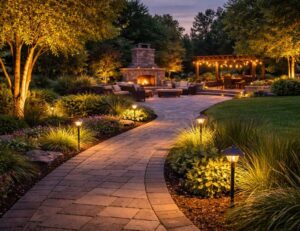
Working with a professional landscape design company allows homeowners to integrate patios with other outdoor elements such as:
-
Fireplaces
-
Seating walls
-
Walkways
-
Garden beds
-
Outdoor lighting
For example, combining a patio with professionally installed landscape lighting can dramatically enhance nighttime usability and ambiance.
Which Patio Option Is Best for Your Backyard?
Both materials can work well depending on your goals, but many homeowners prefer paver patios for their long-term durability and design versatility.
Concrete may be a practical choice for simple projects with tight budgets, while pavers provide a premium outdoor surface that can support a full outdoor living environment.
If you’re considering upgrading your outdoor space, reviewing a contractor’s design and installation process can help you understand how your project will be planned and built.
With the right design and installation team, your patio can become the foundation for a beautiful and functional backyard retreat.
TL;DR – Key Takeaways
-
Paver patios offer greater design flexibility, durability, and long-term value.
-
Concrete patios typically cost less upfront but may crack or require more repairs over time.
-
Pavers handle freeze-thaw cycles better, making them ideal for northern climates.
-
Individual pavers can be replaced easily if damage occurs.
-
Professionally designed patios can anchor a complete outdoor living space with lighting, fire features, and landscaping.