If you live in St. Charles, you probably hear the words hardscape and landscape a lot. They come up when you talk about patios, plants, or any kind of yard project. But many homeowners are not sure where one stops and the other begins.
In simple terms, landscape is the living side of your yard. Hardscape is the built side. Once you see it that way, the whole picture gets a lot clearer.
This guide breaks down what belongs in each group, how each one affects curb appeal, daily use, and your budget, and how they work together in a complete plan. LawnBoyZ designs and installs both, from paver patios and retaining walls to plant-focused landscapes and lighting, so you can plan a full outdoor space that feels finished and easy to use.
What Is Landscaping and What Is Hardscaping?
Think of your yard like a room. The soft things, like rugs and curtains, are your landscaping. The solid things, like the floor and furniture, are your hardscaping.
At an 8th grade level, here is the easy breakdown.
- Landscaping: All the living, growing parts of your yard, plus the soil and mulch that support them.
- Hardscaping: All the non-living, built features made from stone, concrete, pavers, wood, or metal.
If you can water it, mow it, or trim it, that is landscaping.
If you can walk or sit on it, and it does not grow, that is hardscaping.
Simple definition of landscaping (the living parts of your yard)
Landscaping is everything in your yard that grows or supports plants. That includes:
- Grass and lawns
- Trees that give shade or privacy
- Shrubs and bushes
- Flowers and perennials
- Groundcovers and ornamental grasses
- Soil, mulch, and edging that help plants stay healthy
Landscaping changes with the seasons. In St. Charles, you see spring blooms, full green summer growth, colorful fall leaves, and then bare branches or evergreens in winter. Your yard never looks exactly the same from month to month.
Good landscaping adds color, shade, and a softer look around your home or business. It helps a building feel like it belongs on the property instead of just sitting on a blank lot. It can also guide the eye, hiding things you do not want to see and highlighting the front entry, patio, or sign.
Simple definition of hardscaping (the built structures in your yard)
Hardscaping is everything solid that does not grow. It is built, stacked, or poured into place. Common hardscape features include:
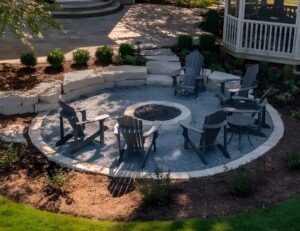
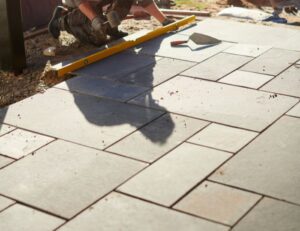
- Paver patios for grilling, dining, and relaxing
- Walkways that connect doors, driveways, and outdoor areas
- Driveways made from pavers, concrete, or asphalt
- Retaining walls that hold back soil on slopes
- Seat walls around patios or fire pits
- Steps between different yard levels
- Outdoor kitchens and bar areas
- Fire pits or fireplaces
- Built-in planters made from block or stone
Hardscapes shape how people move and gather in your yard. A patio creates a clear space for furniture and guests. A walkway shows guests where to walk. A retaining wall makes a sloped spot flat and usable.
Hardscape features are built to be strong and long lasting. A quality paver patio or retaining wall, installed with the right base and drainage, can handle Midwest freeze and thaw cycles and many years of foot traffic and weather.
Easy way to tell the difference between hardscape and landscape
Here is a simple rule of thumb that works almost every time:
- If it grows or can be trimmed, it is landscaping.
- If it is built, paved, or stacked, it is hardscaping.
A few quick examples help this stick:
- Patio (hardscape) vs. lawn (landscape)
- Retaining wall (hardscape) vs. row of shrubs (landscape)
- Concrete steps (hardscape) vs. groundcover along the edges (landscape)
Walk around your yard and point to things. Ask yourself, does it grow, or was it built? That question almost always gives you the correct answer.
Common Hardscape Features vs. Landscape Features Yards
Most St. Charles and Chicagoland yards have a mix of both hardscape and landscape. The local climate has hot summers, cold winters, and regular freeze and thaw cycles, so both plant choices and material choices matter.
Let us look at common features so you can picture what belongs where in your own yard.
Hardscape ideas: patios, walkways, retaining walls, and more
Hardscape features do a lot of work in a yard. They create flat, dry, and safe areas that you can use every day.
Popular hardscape ideas in St. Charles include:
- Paver patios: Great for dining tables, lounge seating, fire pits, and grills. Pavers drain well and move a bit with the ground, which helps them handle temperature swings better than one solid concrete slab.
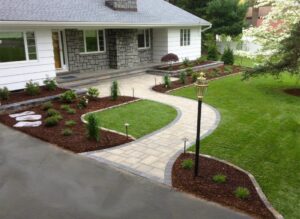
- Walkways: Paver or stone walkways connect your front door, driveway, side yard, and backyard. They cut down on muddy paths and worn spots in the grass.
- Retaining walls: These hold back soil on sloped yards, protect against erosion, and create level terraces for patios, play areas, or planting beds.
- Steps and seat walls: Steps make it easier and safer to move between slopes. Seat walls add extra seating around patios, fire pits, or outdoor kitchens without needing more chairs.
- Driveways and entries: Paver driveways and front entry areas add a custom, finished look and help guide guests to the main door.
When hardscapes are installed with proper base material, compaction, and drainage, they stand up well to Midwest weather. LawnBoyZ builds patios and walls with this in mind, so your investment lasts and your spaces stay level and safe.
Landscape ideas: lawns, trees, shrubs, and planting beds
Landscaping fills in the spaces around hardscapes and buildings. It softens the edges and adds life, color, and texture.
Common landscape elements in St. Charles and nearby communities include:
- Lawns: Front and back yards where kids and pets can play. Lawns create a simple green backdrop that makes other features stand out.
- Shade trees: Maples, oaks, and other trees that help cool patios and homes, add privacy, and bring height to the yard.
- Shrubs and hedges: Used along property lines, around decks, or at the base of the house. They can hide air conditioners or foundations and frame front entries.
- Planting beds: Mixes of perennials, annuals, small shrubs, and ornamental grasses along walks, driveways, and patios.
- Foundation plantings: Beds right along the house with evergreens, flowering shrubs, and perennials to soften the base of the building.
In the St. Charles area, you can design landscaping for four seasons of interest. Spring bulbs and flowering shrubs, bright summer perennials, bold fall colors, and evergreen trees and shrubs that still look good against snow.
How hardscape and landscape work together in a complete design
The best outdoor spaces use both hardscape and landscape so everything feels balanced.
You might have:
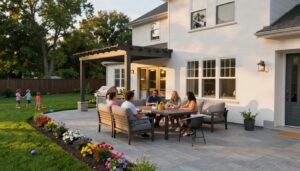
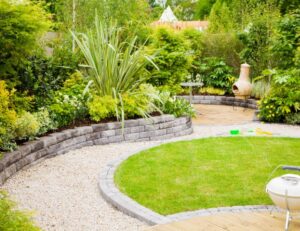
- A paver patio (hardscape) for grilling and eating, framed by planting beds (landscape) that add color and privacy.
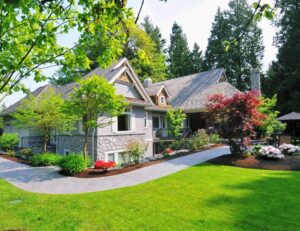
- A front walk (hardscape) lined with low shrubs and flowers (landscape) that lead guests right to your door.
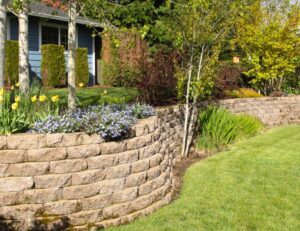
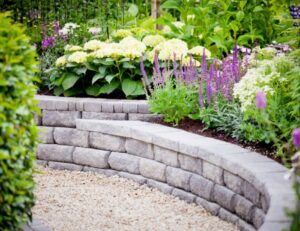
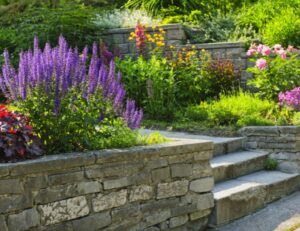
- A retaining wall (hardscape) with layered plantings above and below it (landscape) to soften the structure and make the slope look natural.
Think of hardscape as the bones of the yard and landscape as the skin and clothing. LawnBoyZ often uses 3D design to show St. Charles homeowners how patios, walls, and plantings will look together before any work starts. That way you see the full picture, not just one piece at a time.
How Hardscape and Landscape Affect Cost, Maintenance, and Property Value
Hardscape and landscape both add value, but they do it in different ways. They also have different costs and maintenance needs.
Neither one is better. They are tools to solve different problems.
Cost differences: what you pay for hardscapes vs. landscapes
Hardscapes usually cost more up front. Here is why:
- Materials like pavers, block, and base stone
- Skilled labor for grading, base prep, and installation
- Extra work for drainage and compaction
A paver patio or retaining wall is a long-term feature. You pay more at the start, but you gain years of solid, usable space for dining, relaxing, or solving slope issues.
Landscaping often costs less at the beginning. Plants, mulch, and edging are usually cheaper than stone and pavers. You can also start small with a few beds and add to them over time.
However, plants are living things. They may need to be replaced, moved, or expanded. Beds often need fresh mulch and some seasonal updates. So while the first bill is lower, you do need to plan for ongoing care.
A smart mix of hardscape and landscape can keep costs balanced. For example, you might invest in a high quality patio now, then add plants and beds in phases.
Maintenance: which parts of your yard need the most care
In our climate, landscaping usually needs more hands-on care than hardscaping.
Typical landscape maintenance includes:
- Mowing and edging the lawn
- Watering, especially during hot, dry weeks
- Pruning shrubs and trees
- Pulling weeds and refreshing mulch
- Cleaning up leaves in fall and early spring
Hardscapes need some care too, but not as much:
- Sweeping or blowing off debris
- Power washing pavers or concrete when needed
- Re-filling joint sand in paver patios and walks from time to time
- Checking for any settling and fixing small areas before they grow
Well planned hardscapes can even reduce maintenance. A paver walkway where there used to be a dirt path cuts down on mud in the house. A retaining wall can stop a slope from washing out and creating bare spots in the lawn.
Curb appeal and value: how each improves your home or business
Both sides of your yard help property value and first impressions.
Landscaping boosts curb appeal by:
- Making the front of your home or building look cared for
- Framing entries with color and texture
- Hiding less attractive views and drawing the eye to doors and signs
- Softening large walls or garage doors
Hardscaping boosts value by:
- Adding real, usable outdoor living space
- Creating strong first impressions with front walks, steps, and entries
- Making spaces safer and easier to use with level patios, steps, and paths
- Showing quality and care, which buyers and customers notice
For commercial properties, clean hardscapes and tidy landscaping send a clear message. Customers feel safer on solid walks and in well-lit patios. They also trust businesses more when the outside looks neat and professional.
How to Choose Between Hardscaping and Landscaping for Your Yard
You do not have to pick one or the other. The better question is how much of each you need to reach your goals.
A simple process can help you decide what to do first and what to save for later.
Start with how you want to use your outdoor space
Before you think about plants or pavers, think about how you want to live and work outside.
Ask yourself:
- Do you want a place to grill and eat outside with family and friends?
- Do you need a safe area for kids or pets to play?
- Are you dreaming of a quiet corner for morning coffee or evening fire pit time?
- For a business, do you want a clean, sharp look that feels welcoming to customers?
If you want places to gather, sit, cook, or walk, hardscapes like patios and walks usually come first. They create the actual surfaces for tables, chairs, and foot traffic.
If you want more privacy, color, shade, or a softer view from the window, landscaping carries more weight. Trees, shrubs, and planting beds become the main tools.
Most yards need both, but the way you plan to use the space decides which side gets more of your budget in the early stages.
Plan your project in smart phases if you have a budget
Many St. Charles homeowners and property managers tackle outdoor upgrades in stages. That is normal and smart.
A common approach looks like this:
- Phase one: Install the main hardscapes, such as the paver patio, key walkways, and any needed retaining walls or steps. Fix grading and drainage at the same time.
- Phase two: Add core landscaping, like key trees for shade and privacy, foundation plantings, and simple beds around the patio or front entry.
- Phase three: Layer in extras, such as more detailed plantings, landscape lighting, or additional seating areas.
Planning this way keeps each phase useful on its own. You do not end up with a random patio that feels stranded or a bunch of plants with no clear place to sit and enjoy them.
Working with one company that handles both hardscape and landscape design means the full plan fits together from the start, even if you build it over several seasons.
When to call a local hardscape and landscape professional
Some outdoor jobs are perfect for a weekend. Others are safer and more effective when handled by a pro.
It is time to call a local expert when:
- Your yard has slopes, erosion, or washed-out spots that may need retaining walls
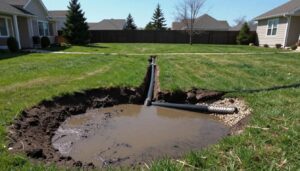
- Water pools near the house, patio, or driveway
- You want a large paver patio, outdoor kitchen, or complex walkway layout
- You are not sure which plants work best in our climate and sun conditions
- You manage a commercial property that needs regular, reliable maintenance
LawnBoyZ has over 20 years of experience serving St. Charles and the broader Chicagoland area. The team designs and installs both landscapes and paver patios, along with retaining walls, lighting, and more. They offer free on-site estimates and 3D design renderings, so you can see your project before any ground is broken and make choices with confidence.
Conclusion
The core idea is simple. Landscaping is the living side of your yard, with grass, trees, shrubs, flowers, and the soil and mulch that support them. Hardscaping is the built side, with patios, walks, walls, steps, and other solid features that shape how you use the space.
The best outdoor areas in St. Charles blend both. Take a walk around your property and ask, what here grows, and what here is built? Then ask, what is missing for the way I want to live or work outside?
If you are ready for a yard that looks great, works well, and fits your budget, reach out to LawnBoyZ for a complete outdoor plan that brings hardscape and landscape together into one clear design.